Reflections from Prof. Rais Akhtar
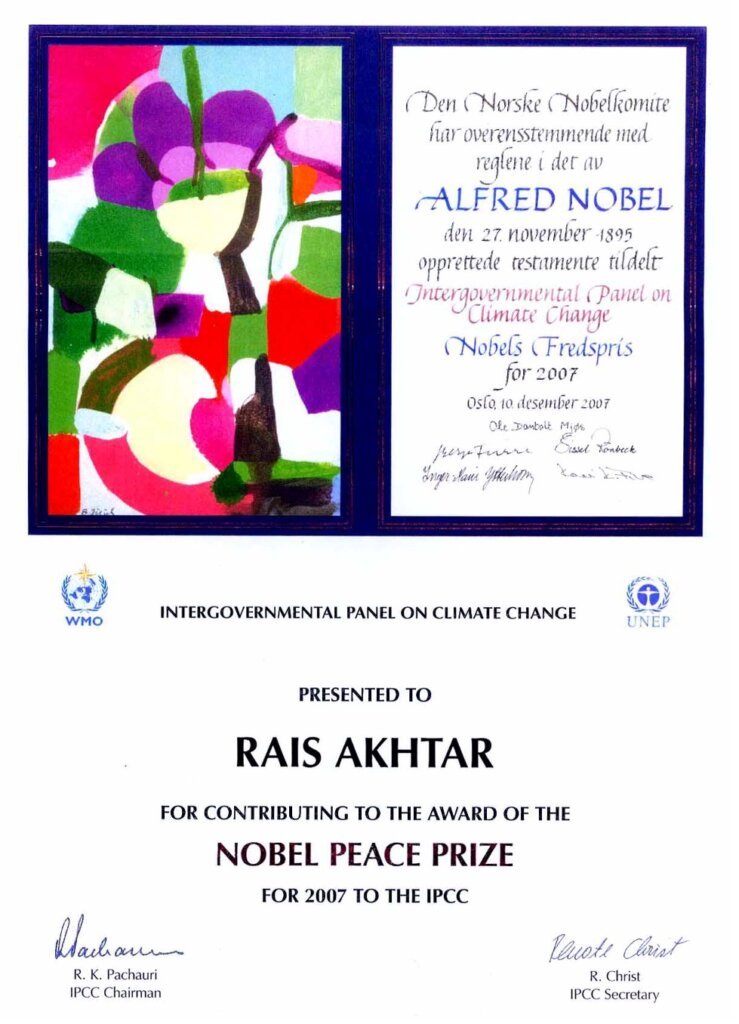
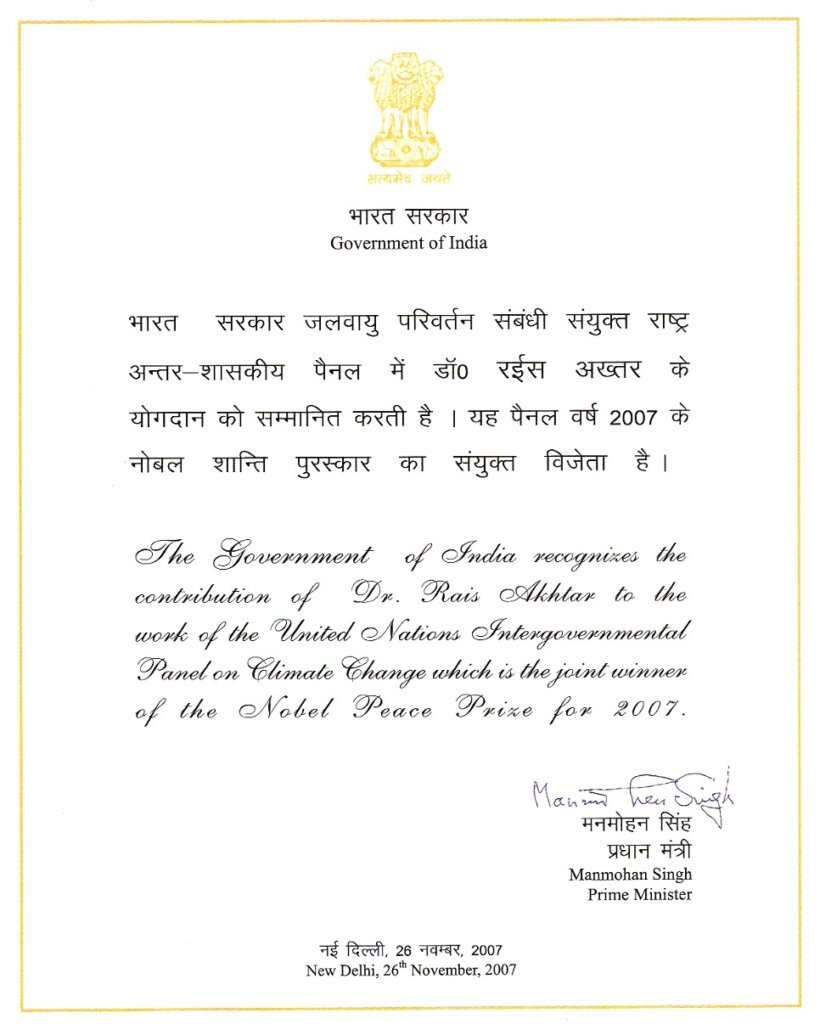
The Department of Geography had the privilege of hosting Prof. Rais Akhtar, an alumnus, an internationally acclaimed scholar of Medical Geography and Climate Change, former Lead Author with the Intergovernmental Panel on Climate Change (IPCC), and recipient of the IPCC Nobel recognition following the organisation’s 2007 Nobel Peace Prize. Currently serving as an Adjunct Professor at the International Institute of Health Management Research, New Delhi, Prof. Akhtar reflected on his remarkable academic journey, the emergence of medical geography, and the growing relevance of geography in understanding climate change, disease ecology, and global health.
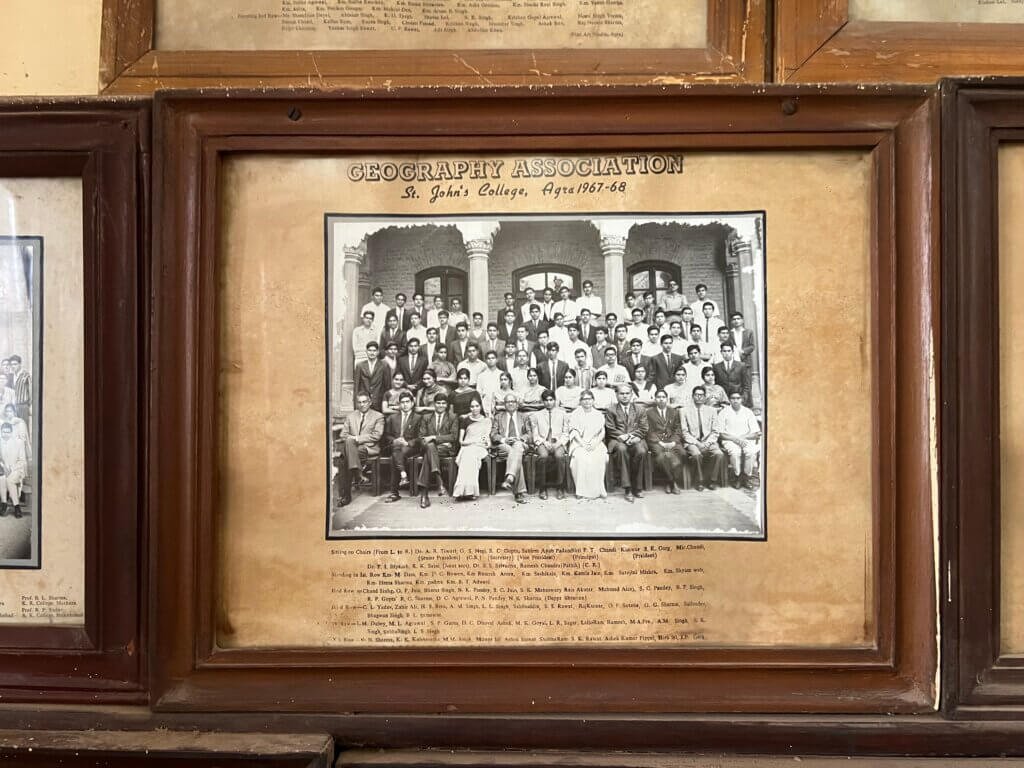
1968
Left St. John’s College and began research journey.
1996
Published climate-health research in The Lancet.
2007
Contributed as Lead Author to IPCC Nobel-recognised work.
Try to See Light in the Darkness
Prof. Akhtar described his lifelong motto as: “Try to see light in the darkness.” According to him, even in difficult circumstances, one can succeed with determination, discipline, and a clear objective.
This mindset shaped his journey from a student of geography into an internationally recognised scholar in medical geography and climate change studies.
Discovering Medical Geography
“I was actually very keen to become a doctor. That did not happen, but when I heard about medical geography, I thought — why not specialise in this area?”
This decision eventually led him into one of the most unique and interdisciplinary branches of geography.
Prof. Akhtar explained that medical geography studies why certain diseases occur in specific regions and why they are absent in others. While epidemiology studies diseases in human populations, medical geography focuses on the role of place, environment, and ecology.
For instance:
- Why is malaria concentrated in humid coastal regions?
- Why are some dry regions relatively free from it?
- Why do diseases like Ebola or Zika emerge within particular geographical zones?
These are questions that medical geography attempts to answer.
Geography Beyond Maps
One of the strongest ideas that emerged during the discussion was Prof. Akhtar’s emphasis that geography is far more than memorising capitals, rivers, or locations.
“Drawing maps is only the beginning,” he remarked.
According to him, the real task of a geographer is to understand why spatial patterns exist. Disease distribution, climate vulnerability, migration, urbanisation, and environmental change all require geographical explanation.
He described geography as an integrated discipline that connects environment, climate, society, economics, and human behaviour.
International Academic Journey
Prof. Akhtar’s work in medical geography brought him recognition across the world. He delivered lectures at nearly 56 universities and medical institutes, including the London School of Hygiene & Tropical Medicine and the Johns Hopkins Bloomberg School of Public Health.
He also shared that the World Health Organisation once requested him to review a publication and explain the concept of medical geography for a wider audience — a recognition of the growing importance of geographical perspectives in health research.
Climate Change and Human Health
Prof. Akhtar later expanded his research into climate change and health. His first paper on the subject was published in The Lancet in 1996, much before climate-health discussions became mainstream.
He subsequently became associated with the Intergovernmental Panel on Climate Change (IPCC), which was jointly awarded the Nobel Peace Prize in 2007 alongside Al Gore.
During the discussion, he highlighted how climate change is intensifying:
- Heatwaves
- Hurricanes
- Sea-level rise
- Forest fires
- Disease vulnerability
Events such as the 2003 European heatwave and Hurricane Katrina were, according to him, turning points in global awareness regarding climate change.
Disease, Ecology & Region
A particularly insightful reflection was his explanation that diseases often require a specific geographical “sanctuary” to emerge and spread.
Climate, rainfall, humidity, vegetation, population density, and ecology together create conditions favourable for certain diseases. This is why some diseases remain region-specific while others spread globally.
He cited outbreaks such as Ebola in West Africa and Zika in Latin America as examples of how geography helps explain disease patterns beyond purely medical explanations.
A Message for Students
Prof. Akhtar concluded with a message for students and researchers:
Whatever branch of geography one chooses — medical geography, urban geography, population studies, or climate science — meaningful contributions are possible through curiosity, discipline, and the willingness to explore new ideas.
His journey served as a reminder that geography is not simply the study of places but the study of relationships among people, the environment, and change.
FEATURED SCHOLAR
Prof. Rais Akhtar
Pioneer of Medical Geography & Climate Change Research
56+
International Lectures
1996
Lancet Climate & Health Publication
IPCC
Lead Author
2007
Nobel Peace Prize Recognition
“Geography is not merely about maps. It is the science of understanding why.”
From the Meridian Library
Books that inspire geographical thinking.
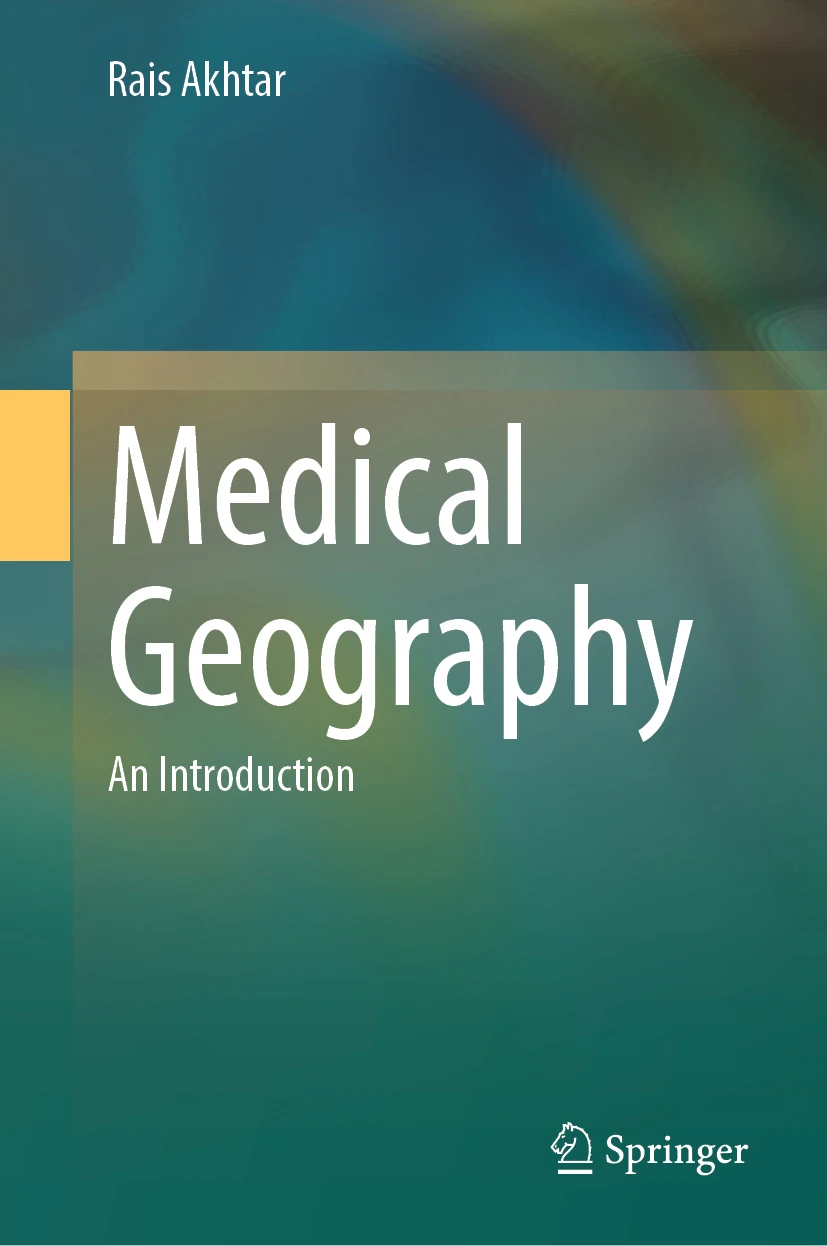
Medical Geography
An Introduction
“An insightful introduction to the spatial dimensions of health, disease, environment, and human well-being.”
This book explores how geography influences health and disease, demonstrating the importance of spatial thinking in understanding healthcare, environmental change, and human well-being. It serves as an excellent introduction for students, educators, and researchers interested in Medical Geography.
Explore on Springer →Discover more from The Meridian Society
Subscribe to get the latest posts sent to your email.