Sigma FP2 Review: The Art of Making Less Feel Like More
A research-based first look at Sigma’s modular full-frame camera—and what its unconventional design reveals about the art of seeing.
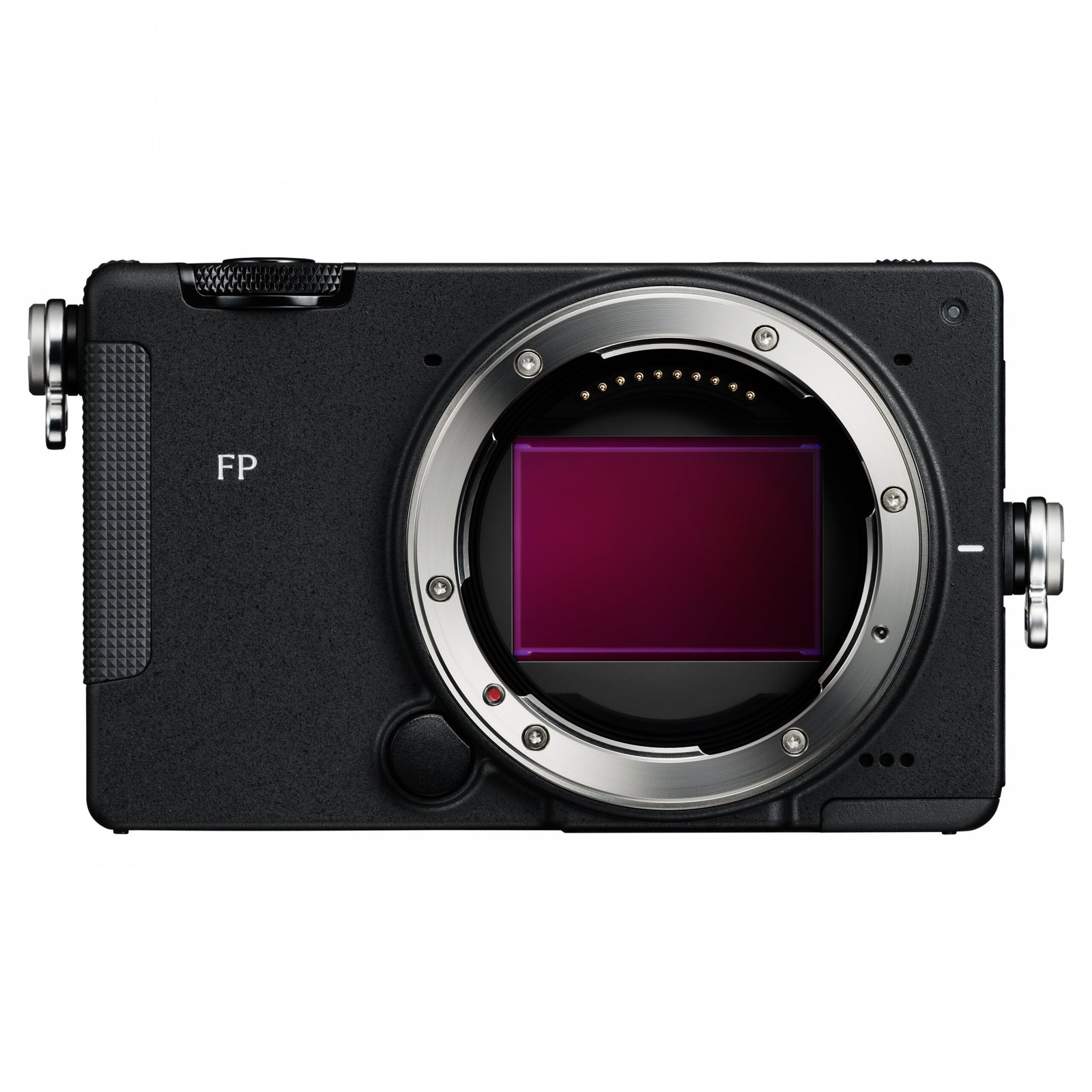
Photography has always had an uneasy relationship with technology. Every new generation promises more: more resolution, more speed, more automation. Yet the photographs that stay with us rarely do so because of the specification sheet.
The Sigma FP2 enters that conversation from an unusual direction. It is a compact, modular full-frame camera designed to become the tool its owner needs—rather than arrive as one fixed, familiar shape. Its appeal is not simply smallness. It is the possibility of a different working rhythm.
That promise deserves attention, but also scrutiny. Modularity can mean flexibility or inconvenience; minimalism can feel liberating or restrictive. This early review explores both sides.
The FP2 at a glance
According to Sigma’s launch information, the headline features include a 24.5-megapixel partially stacked full-frame sensor, hybrid autofocus, electronic shutter, advanced video recording and a modular accessory system. These are announced capabilities, not independently verified performance claims.
| Sensor | 24.5MP full-frame, partially stacked CMOS |
|---|---|
| Mount | L-Mount |
| Autofocus | Hybrid phase- and contrast-detection |
| Shutter | Electronic only |
| Continuous shooting | Up to 20 fps (manufacturer rating) |
| Video | Up to 6K OpenGate (mode-dependent) |
| Viewfinder | Optional external EVF |
| Stabilisation | No in-body stabilisation for stills |
| US launch price | Reported at US$2,199 body-only; confirm locally |
Design: restraint as a philosophy
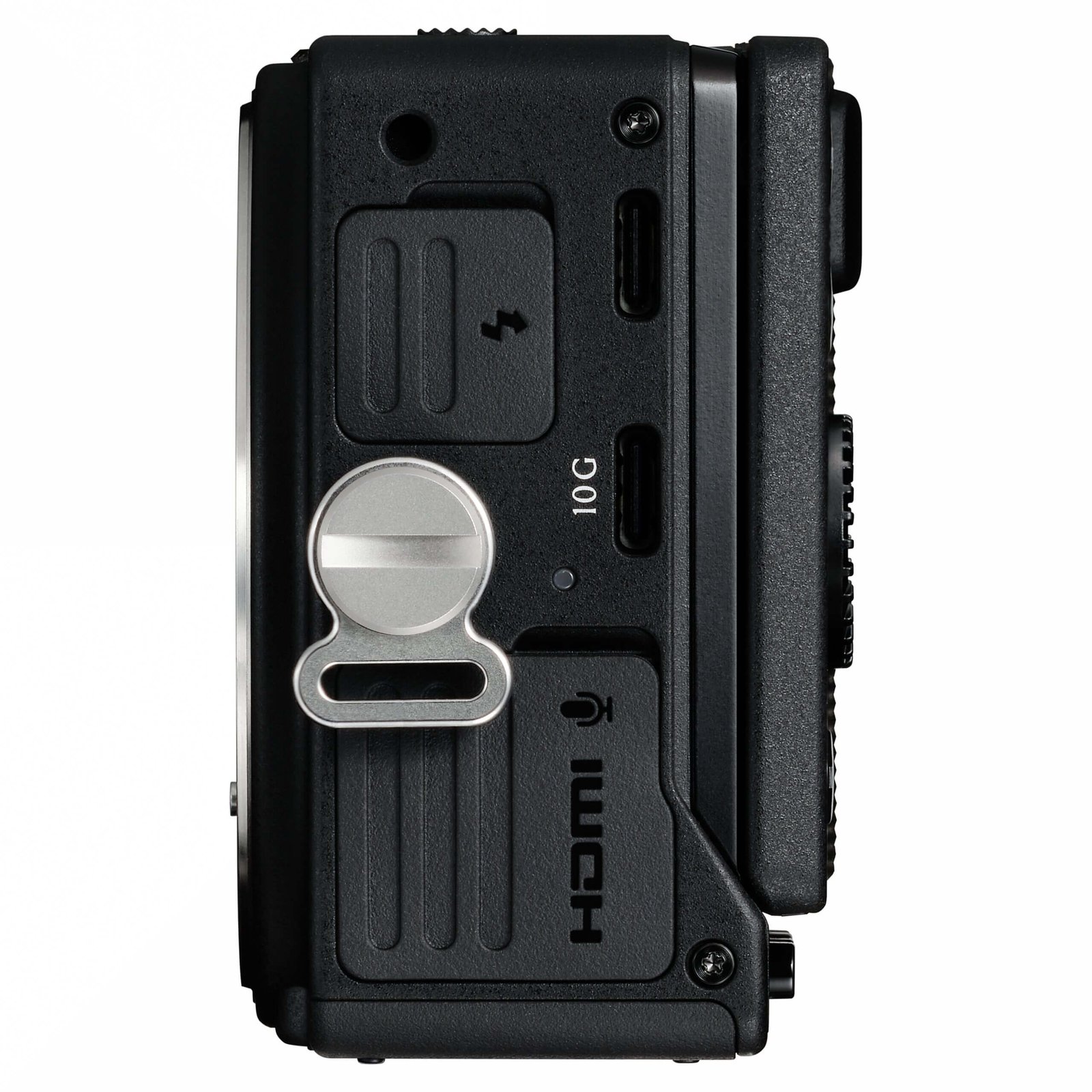
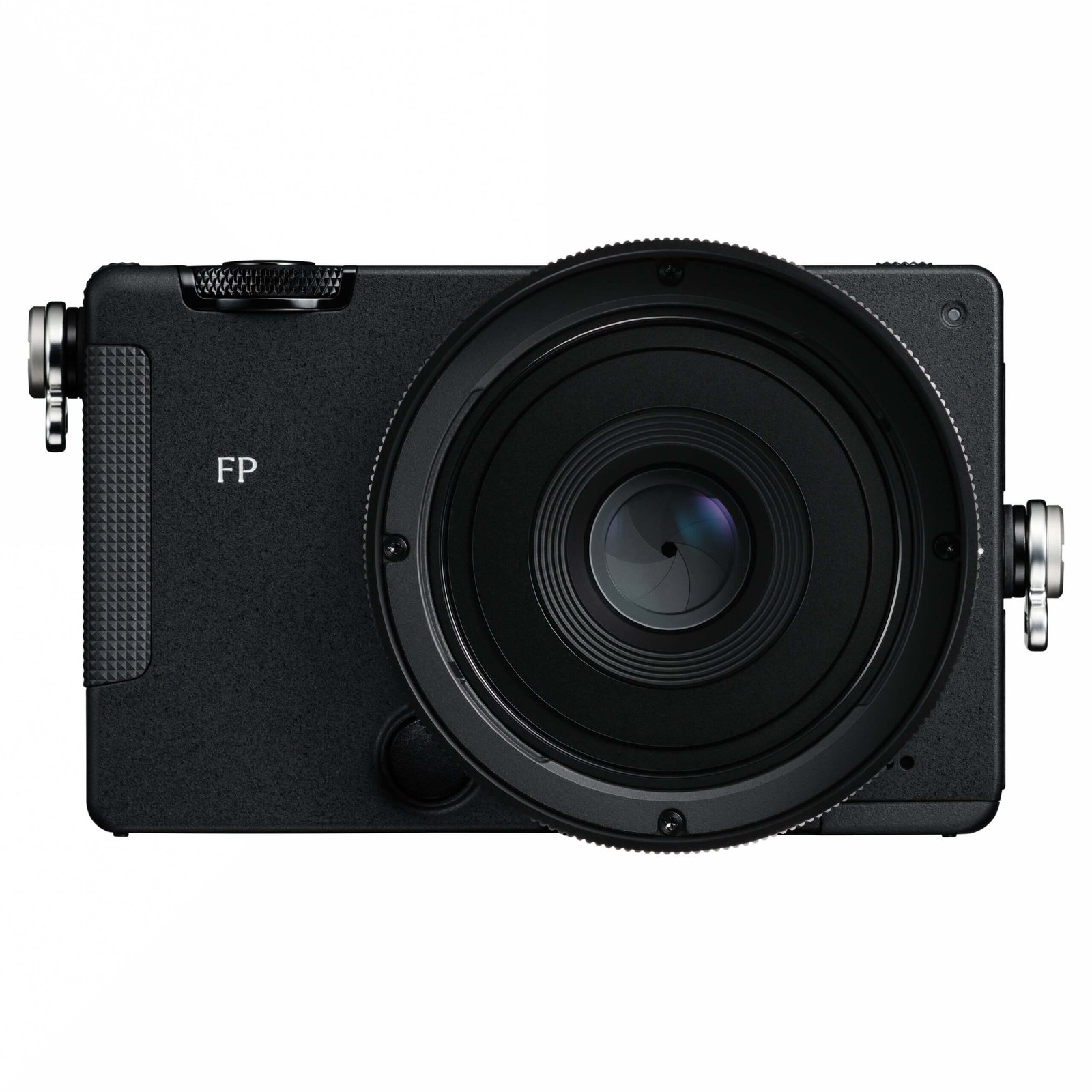
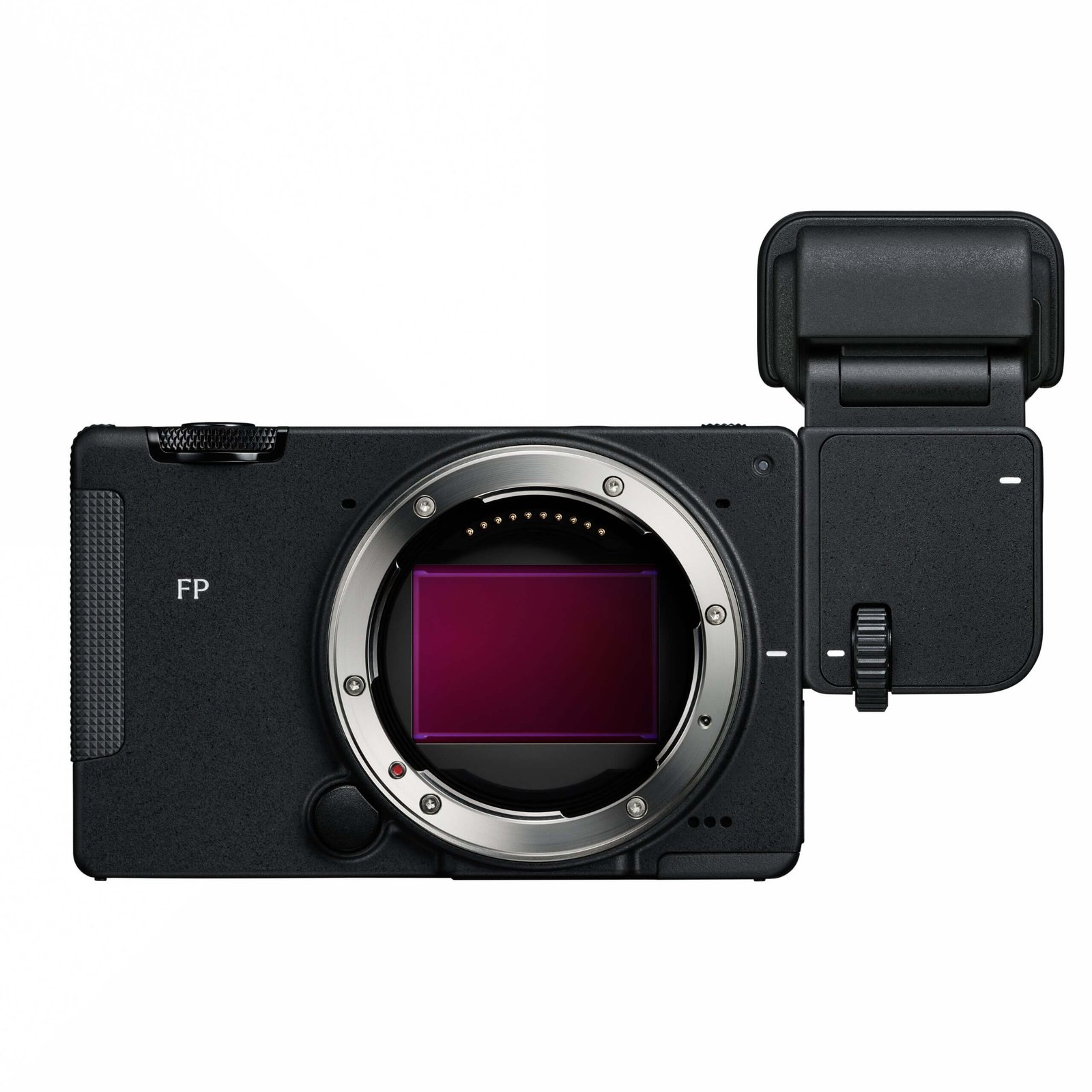
The FP2 continues the original fp idea: a photographic core that can be expanded to suit a particular assignment. Without a traditional integrated viewfinder or a pronounced grip, its body is closer to a carefully engineered instrument than a conventional DSLR-shaped mirrorless camera.
There is elegance in that restraint. A compact body may be less conspicuous in a quiet documentary setting, while a custom rig can support a different way of working. But the accessories that make it versatile also add bulk and cost. The smallest version of the camera is not necessarily the version you will actually use.
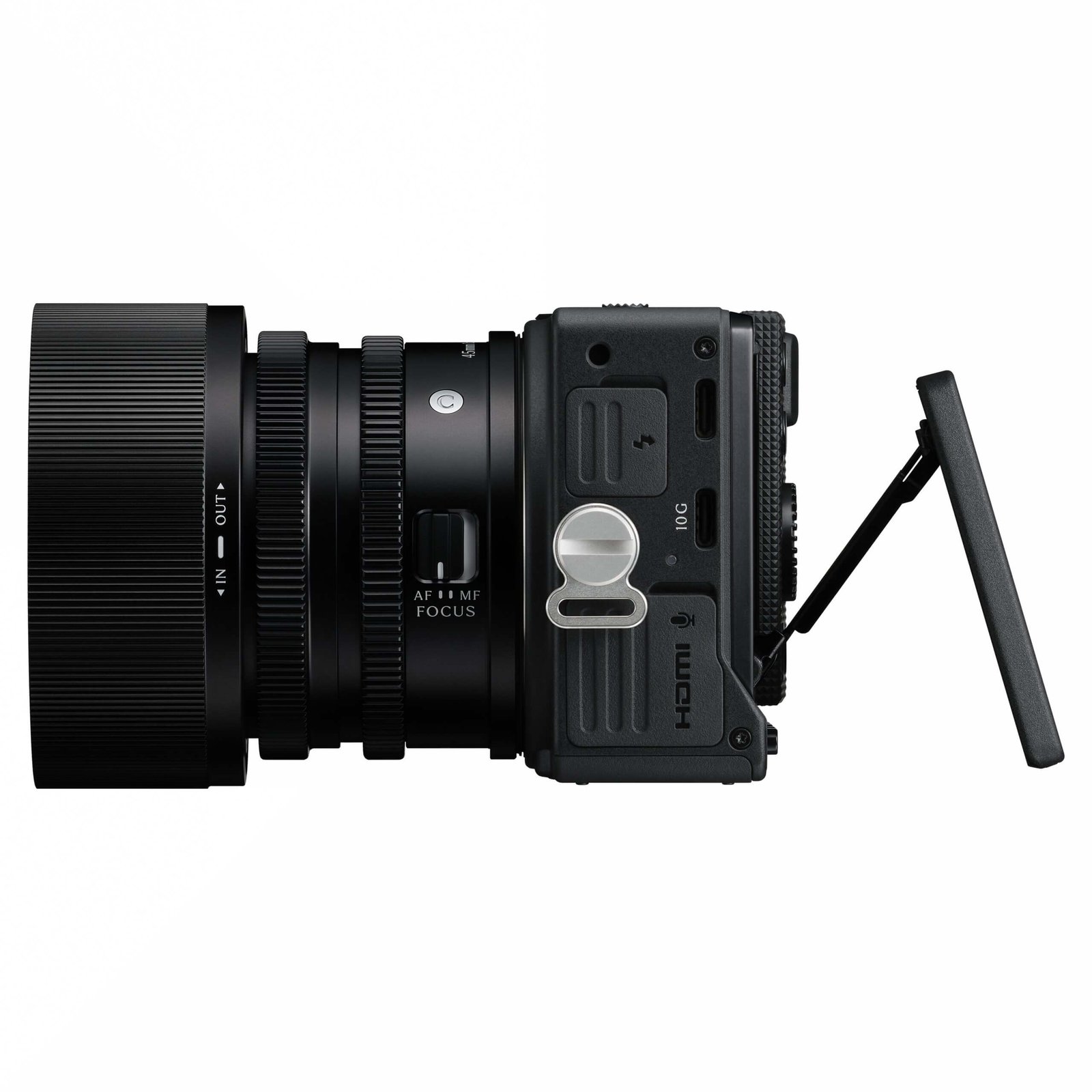
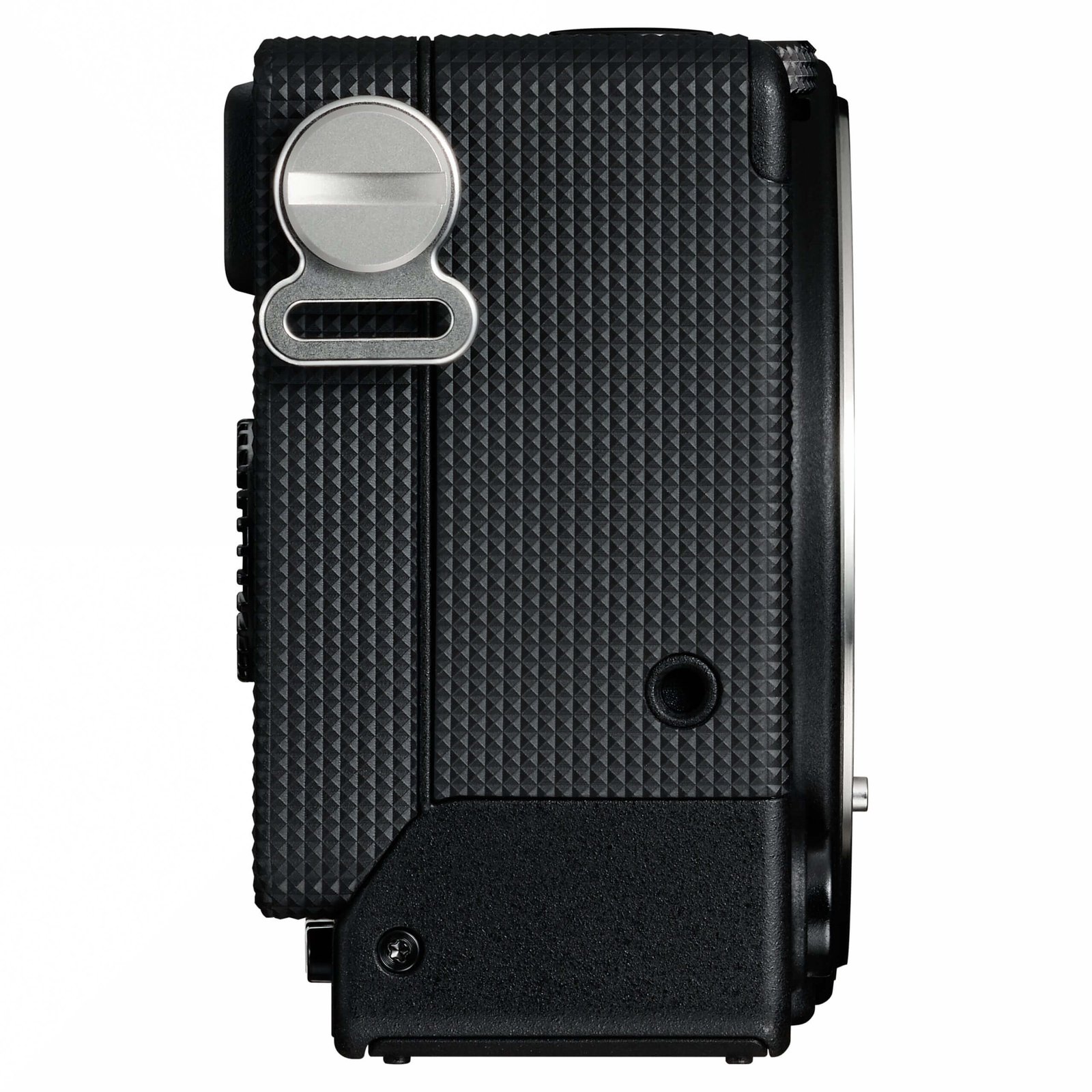
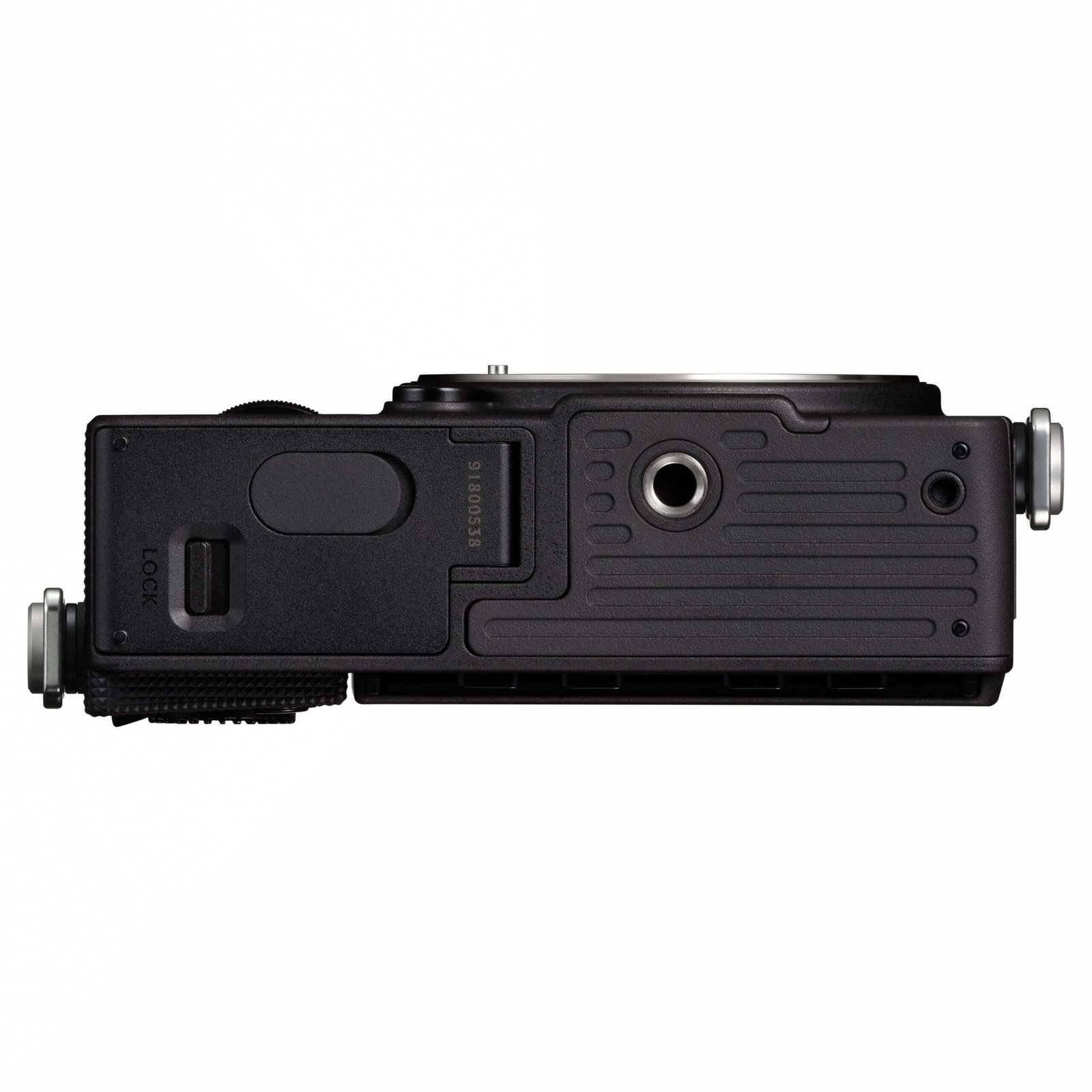
Look closer: the camera from every angle
These official product views reveal the decisions behind the FP2’s compact design, controls and lens pairing.
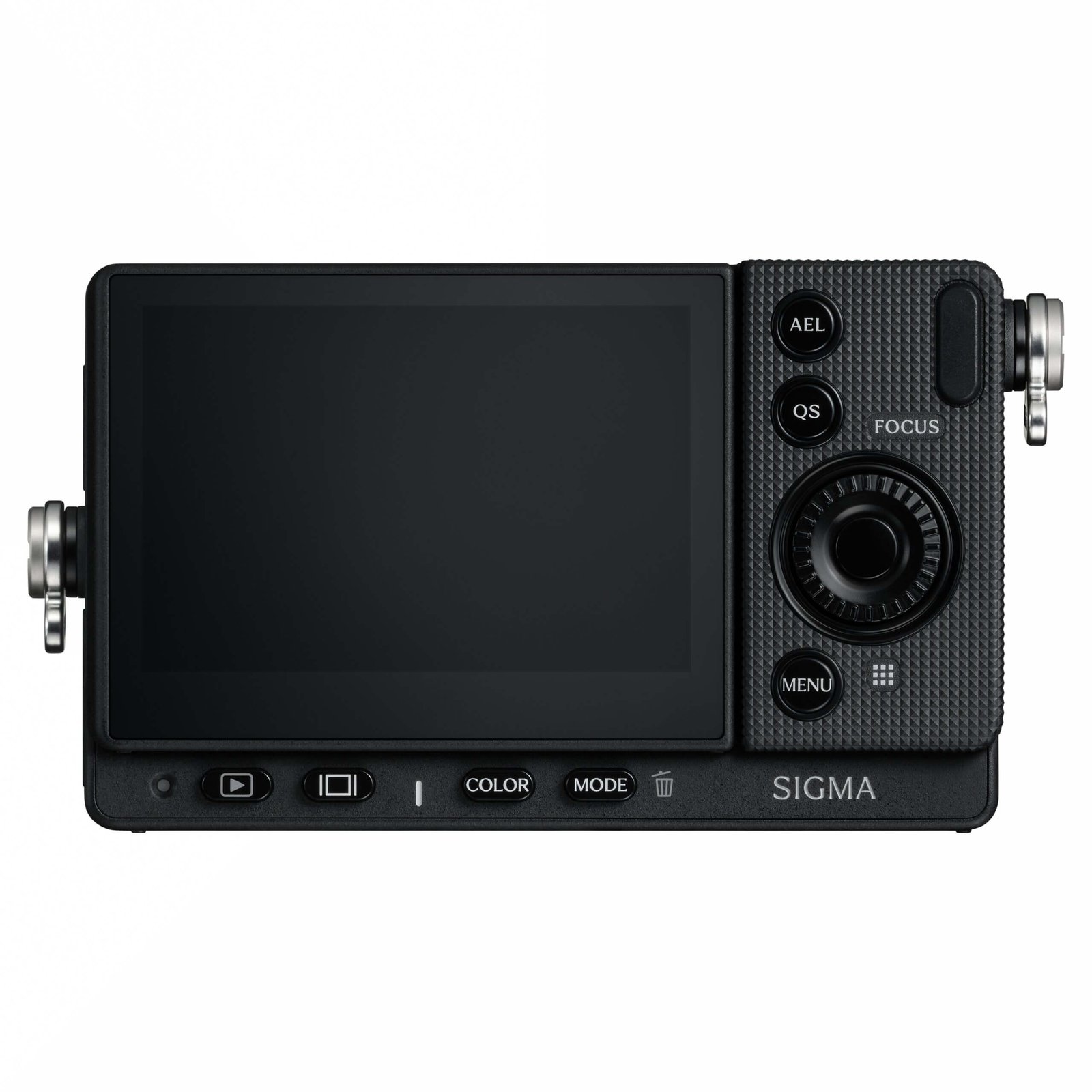
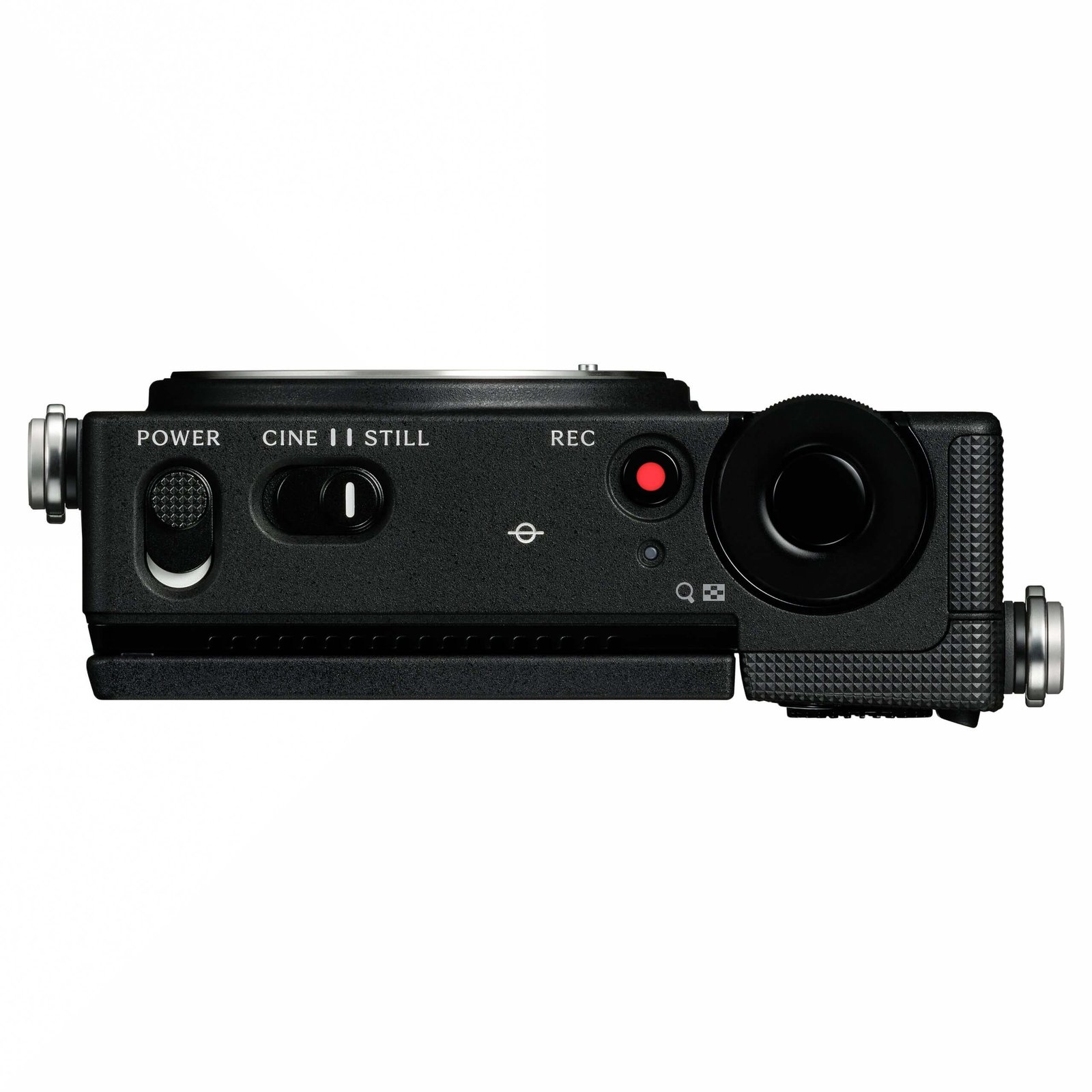
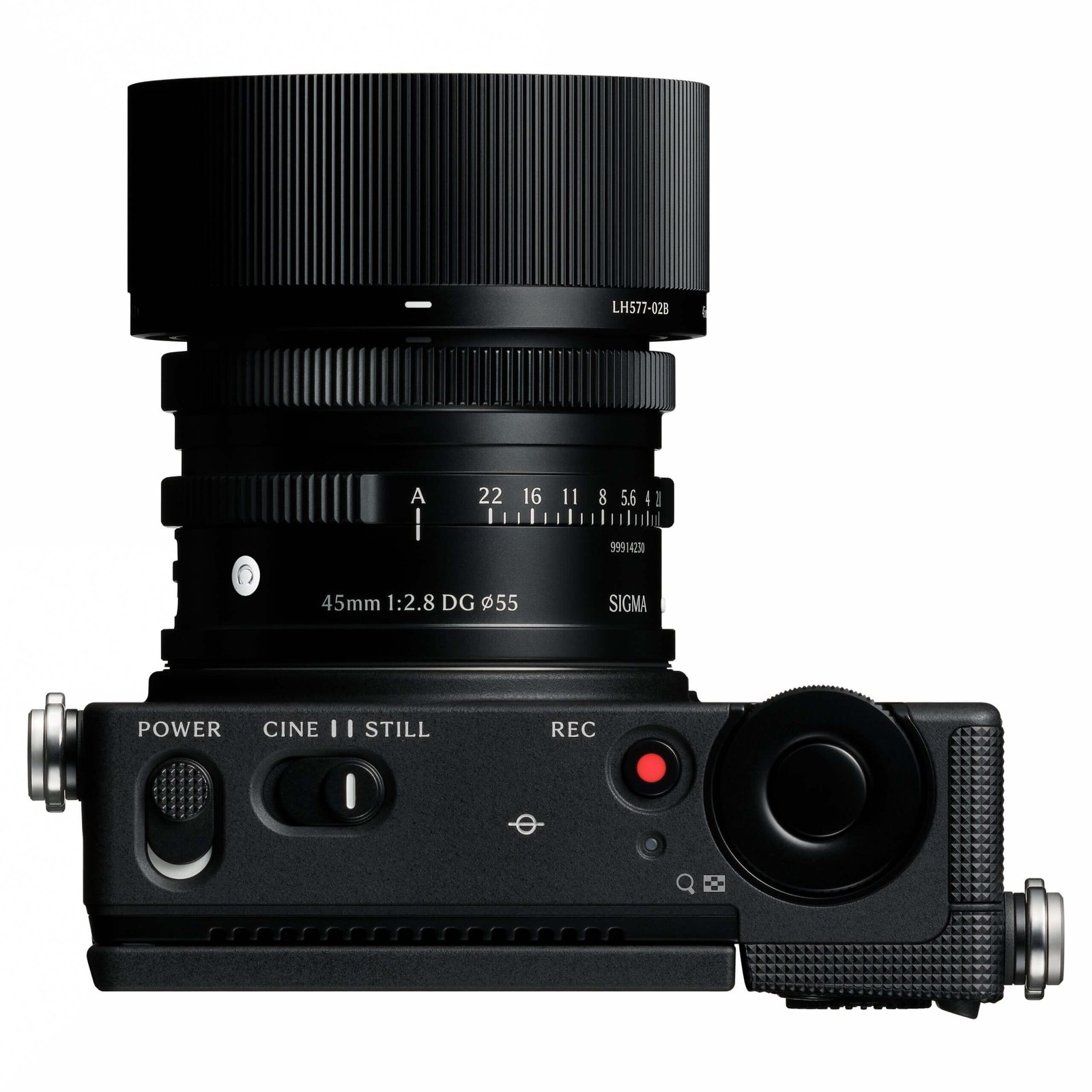
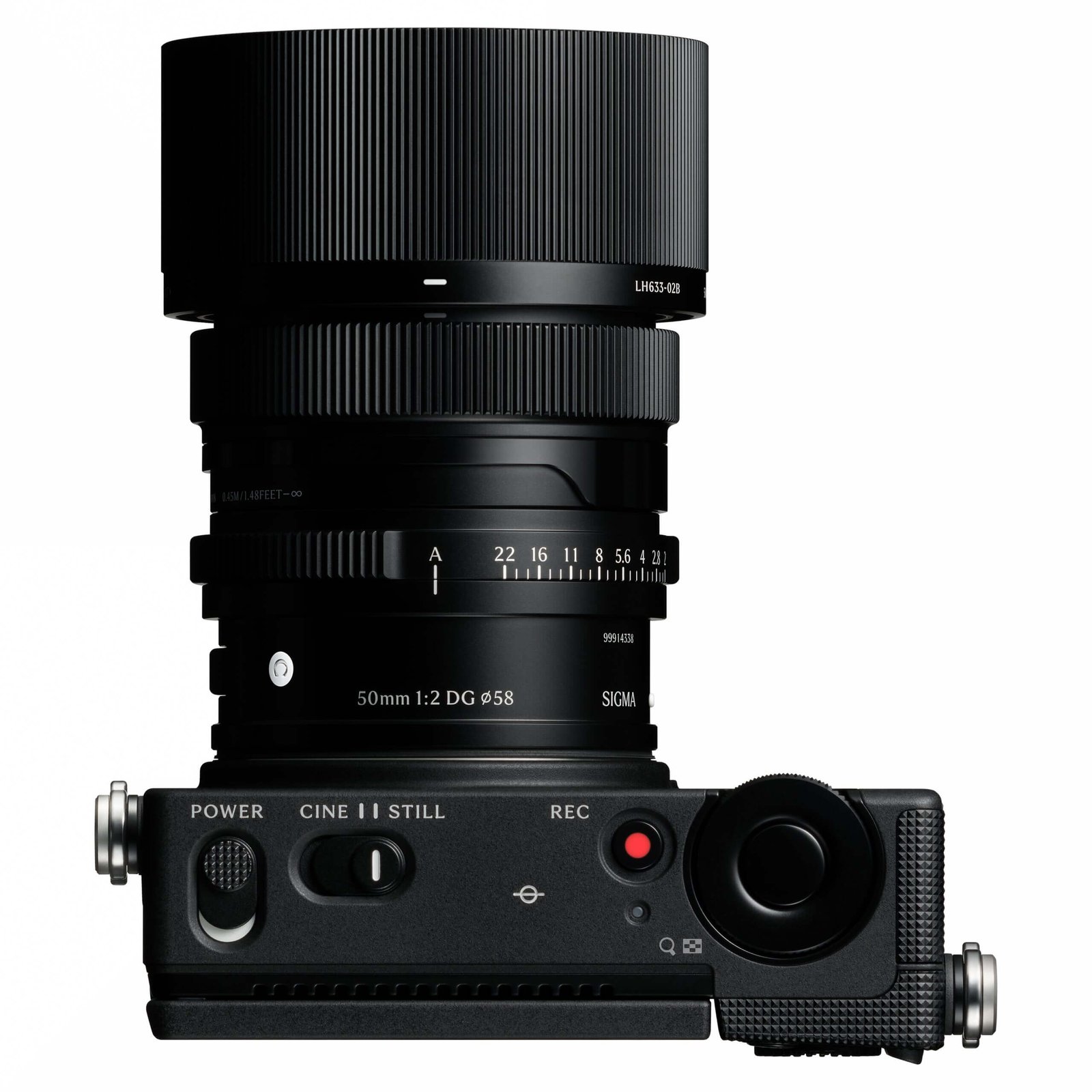
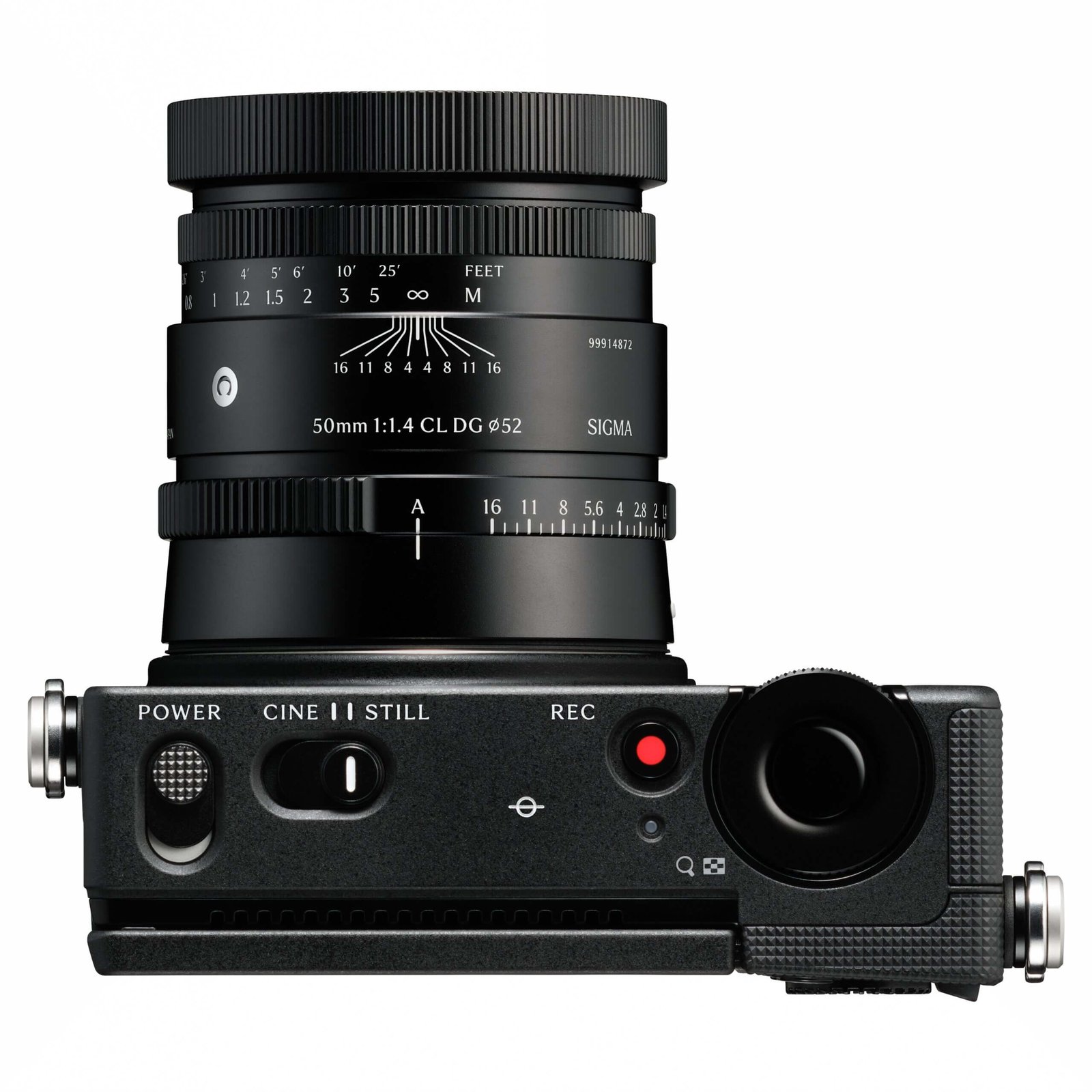
Swipe sideways or scroll to explore the gallery →
Image quality: the important questions remain open
A 24.5-megapixel full-frame sensor is more than sufficient for many portraits, travel essays, documentary stories and editorial prints. The more consequential question is how the FP2’s partially stacked architecture performs when light becomes difficult or movement becomes unpredictable.
Faster sensor readout can reduce rolling-shutter effects, particularly important in a camera with no mechanical shutter. But we would want to see independent measurements of dynamic range, high-ISO noise, highlight recovery and distortion before making strong image-quality claims.
The FP2 supports RAW workflows, giving photographers room to interpret their files in post-production. That is an opportunity for creative control, not a guarantee of superior results.
Colour, mood and the photographer’s eye
Sigma’s creative colour modes are one of the more intriguing aspects of the FP2. They encourage decisions about atmosphere at the moment of capture: whether a scene should feel quiet, warm, cinematic or deliberately restrained.
Colour, however, cannot replace attention. The relationship between subject and background, the quality of light, and the timing of an expression still determine whether a photograph resonates.
Visual impressions
The following photographs are credited in their filenames to Olya Oleinic and are presented as supplied press imagery—not as photographs made or independently evaluated by The Meridian Society.


Swipe sideways or scroll to explore the gallery →
Autofocus: progress that needs real-world proof
Hybrid phase- and contrast-detection autofocus is a welcome development for a camera family associated with a more deliberate shooting experience. Better subject recognition and tracking could make the FP2 more useful for portraits, travel and everyday documentary photography.
But autofocus quality is ultimately about consistency: does it find the right eye in low light, hold a moving subject, and recover when a scene becomes crowded? These are questions only practical testing can answer.
Electronic shutter and the absence of IBIS
The electronic-only shutter contributes to the camera’s compact architecture and silent operation, but it also introduces potential limitations with fast movement, certain artificial lighting and flash synchronisation. Photographers who frequently use studio strobes should pay particular attention to Sigma’s published flash-sync restrictions.
The lack of in-body image stabilisation is another meaningful compromise. Available-light photographers may need faster shutter speeds, steadier technique, stabilised lenses or support. That can encourage thoughtful practice, but it should not be romanticised: stabilisation is genuinely useful, especially when working spontaneously.
Video: the modular idea makes more sense
The FP2’s video ambitions help explain its design. High-resolution OpenGate recording and flexible recording workflows give filmmakers more latitude in framing and post-production. A compact core can be built into a larger cinema setup when a project requires it.
Still, headline video formats do not tell the whole story. Recording duration, heat, power, storage, audio and stabilisation determine whether a system is pleasant to work with on a real production day.
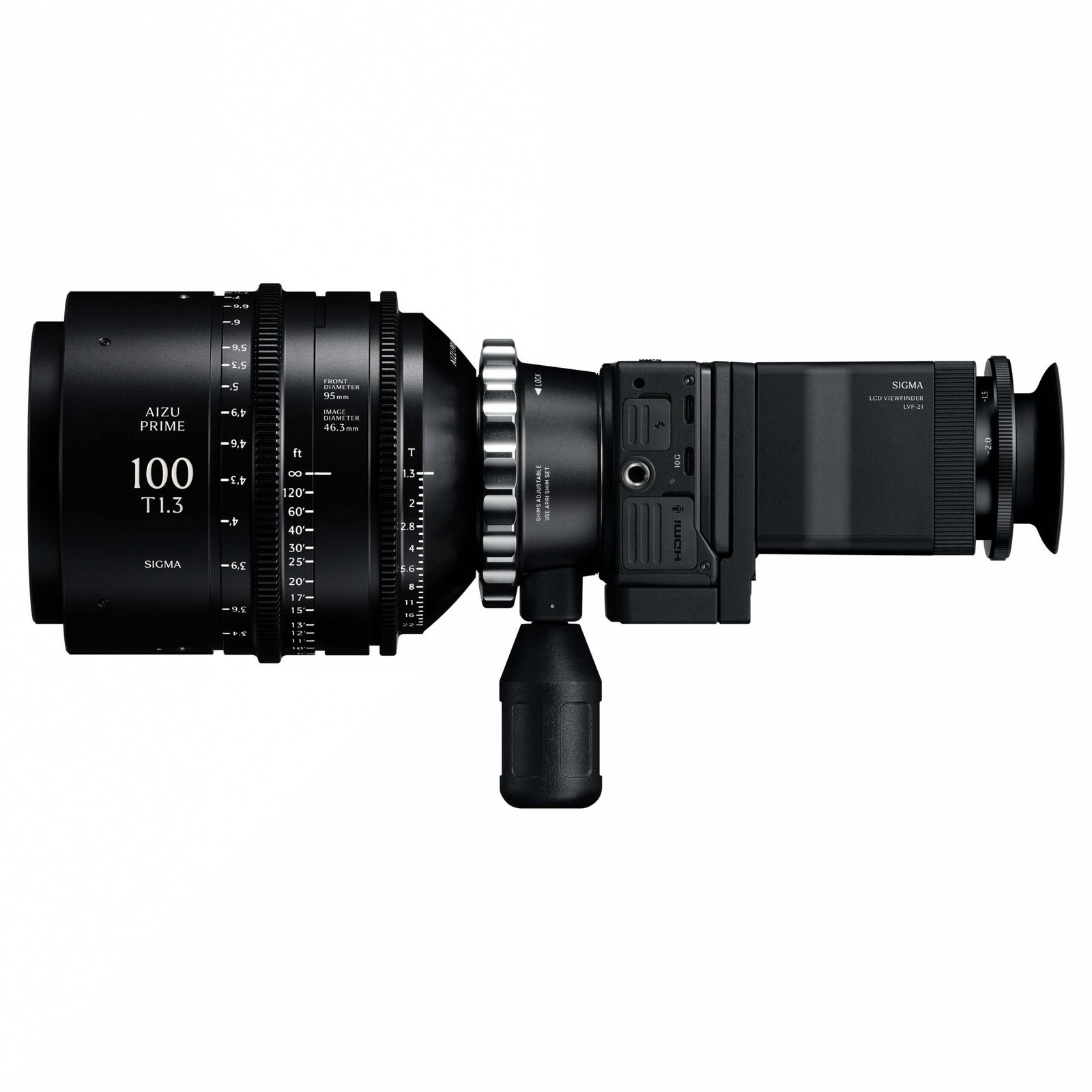
Four ways to build a cinema setup
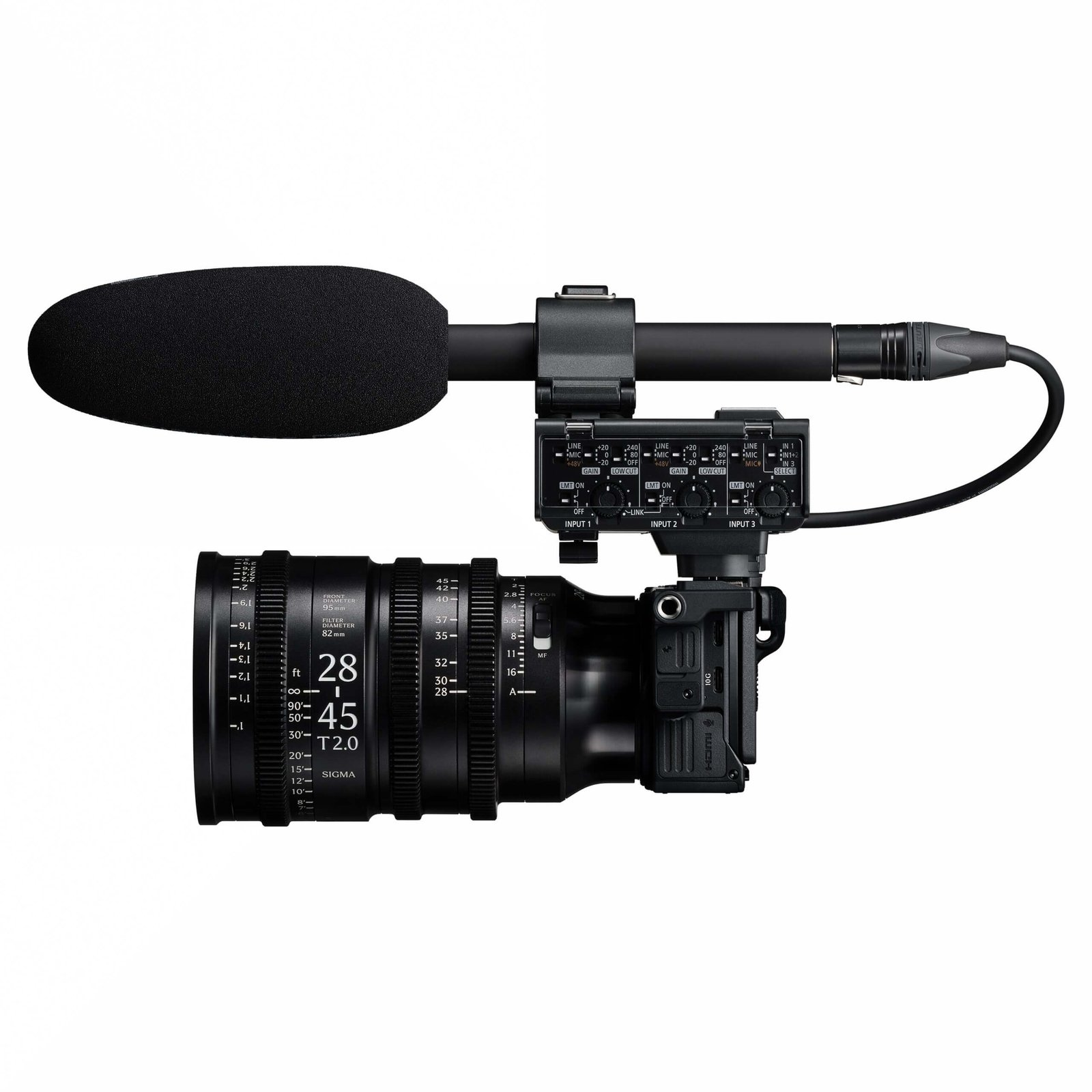
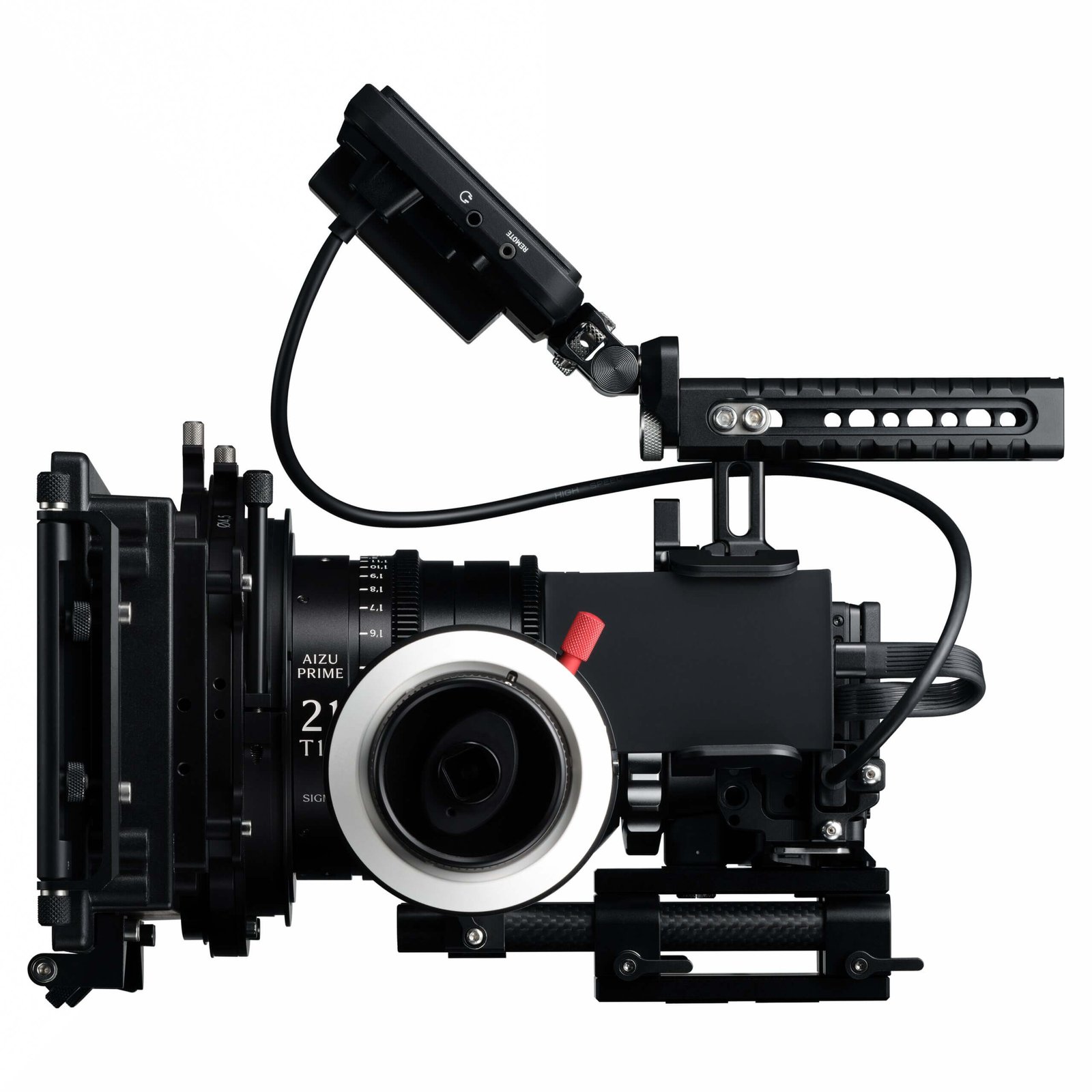
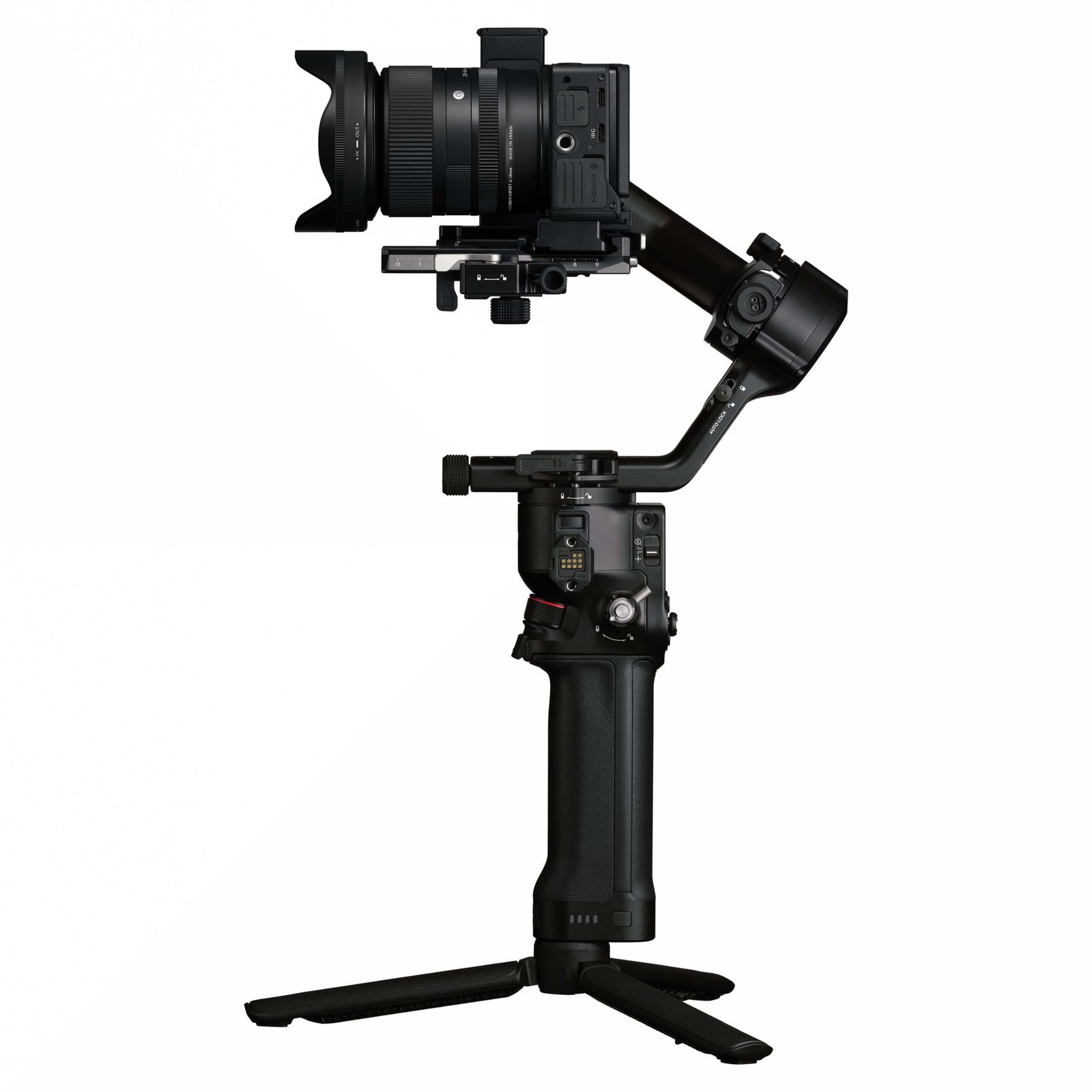
Swipe sideways or scroll to explore the gallery →
Accessories: freedom at a price
An optional external electronic viewfinder is a useful choice for photographers who prefer composing at eye level. Yet a viewfinder that must be added separately is also an extra item to purchase, carry and manage. The FP2’s value proposition depends on the configuration you actually need, not just the base body price.
Who should consider the Sigma FP2?
The strongest case is for photographers and filmmakers who actively want a configurable, compact imaging platform. Deliberate documentary work, personal projects and hybrid stills/video production all fit that philosophy.
The weaker case is for someone seeking an uncomplicated all-rounder. A built-in viewfinder, stabilised sensor, conventional grip and more forgiving flash workflow may matter more than modular elegance. The FP2 is interesting precisely because it does not try to satisfy every preference.
What this camera teaches us about photography
For all the attention we give cameras, a photograph begins with a decision to notice something. Light creates structure. Composition directs attention. Timing gives a moment meaning. Colour shapes emotional tone.
These are not skills that belong to one manufacturer or price category. They are skills photographers can learn with almost any camera. The FP2 is a useful reminder that equipment should support a point of view, not become a substitute for one.
One building. Three perspectives.
Take any camera or smartphone outside. Photograph the same building three ways, then mark each approach as you finish. Your progress stays on this page only.
0 of 3 completed
Want to develop these skills further? Explore our free Art of Architectural Photography course.
The appeal — and the trade-offs
What looks promising
- Distinctive compact, modular design
- Full-frame partially stacked sensor
- Hybrid autofocus and ambitious video modes
- Flexible stills and cinema configurations
What gives us pause
- No in-body stabilisation for stills
- Electronic-only shutter and flash constraints
- Viewfinder and some accessories cost extra
- Handling and performance await independent testing
Early verdict: A compelling specialist camera on paper, not yet a tested all-round recommendation.
Early verdict: compelling, but not universal
The Sigma FP2 looks like a thoughtful continuation of one of the most distinctive ideas in modern camera design. Its compact modular body, updated sensor and hybrid shooting ambitions are appealing. So are the possibilities of building a system around the way you prefer to work.
Yet the electronic-only shutter, missing IBIS, optional viewfinder and accessory costs are real considerations. At its reported launch price, the FP2 competes with cameras that offer a more complete out-of-box experience.
Our preliminary view: promising for photographers and filmmakers who value modularity and intentional workflows; harder to recommend as a universal full-frame camera before comprehensive independent testing.
Frequently asked questions
Is the Sigma FP2 a full-frame camera?
Yes. Sigma lists a 24.5-megapixel full-frame partially stacked CMOS sensor.
Does it have in-body stabilisation?
No in-body image stabilisation is listed for still photography. Check Sigma’s mode-specific video stabilisation details.
Can it shoot 6K video?
Sigma announces up to 6K OpenGate video in supported recording modes.
Is it suitable for beginners?
It can be used by a beginner, but its price and modular compromises may make a simpler camera a more practical starting point.
Have you tested this camera?
No. This is a research-based early review, not a hands-on evaluation.
Other cameras worth considering
Indicative Indian prices, not live Amazon prices; check current offers. Links open Amazon India search results. Product photographs can be added once licensed images are available.
What would you choose?
Would you trade built-in stabilisation and a viewfinder for a smaller, modular full-frame camera? Tell us what matters most in your photography.
Image and editorial note: Product and impression images are supplied through Sigma-related press materials and remain subject to their respective rights and usage conditions. Confirm editorial-use permission and exact photographer credit requirements before publishing. We have not photographed or tested this camera ourselves.