A Meridian Essay on Heritage, Tourism, and Urban Geography
“The essence of geography lies in the understanding of places.”
— Yi-Fu Tuan
Agra is often thought of as the city of the Taj Mahal, but it is far more than that. Located on the banks of the Yamuna River in the Indian state of Uttar Pradesh, Agra is a living example of how geography, history, and culture interact to create the world’s best-known tourist hotspot. Agra offers an important lens to examine the relationship between location, settlement patterns, architecture, and economic development.
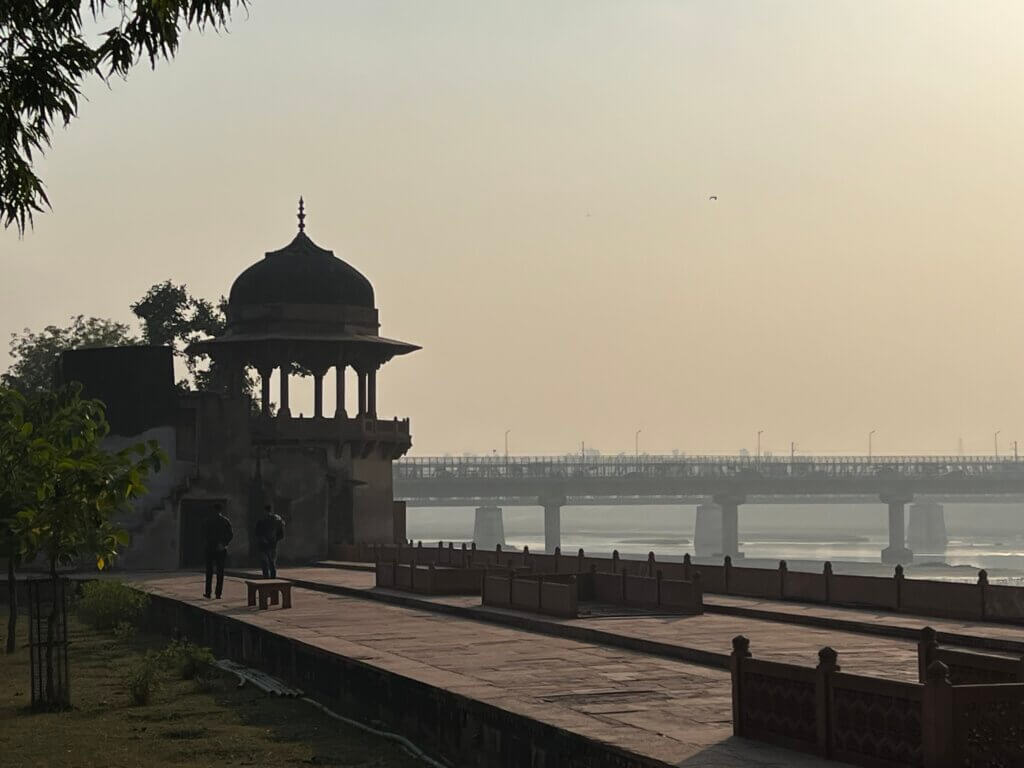
Tourism in Agra began flourishing during the Mughal period, when emperors transformed the city into a centre of art and architecture. Today, millions of visitors from India and around the world travel to Agra every year. The city has become one of India’s most famous tourist destinations because of its historical monuments, cultural richness, and strategic location in northern India.
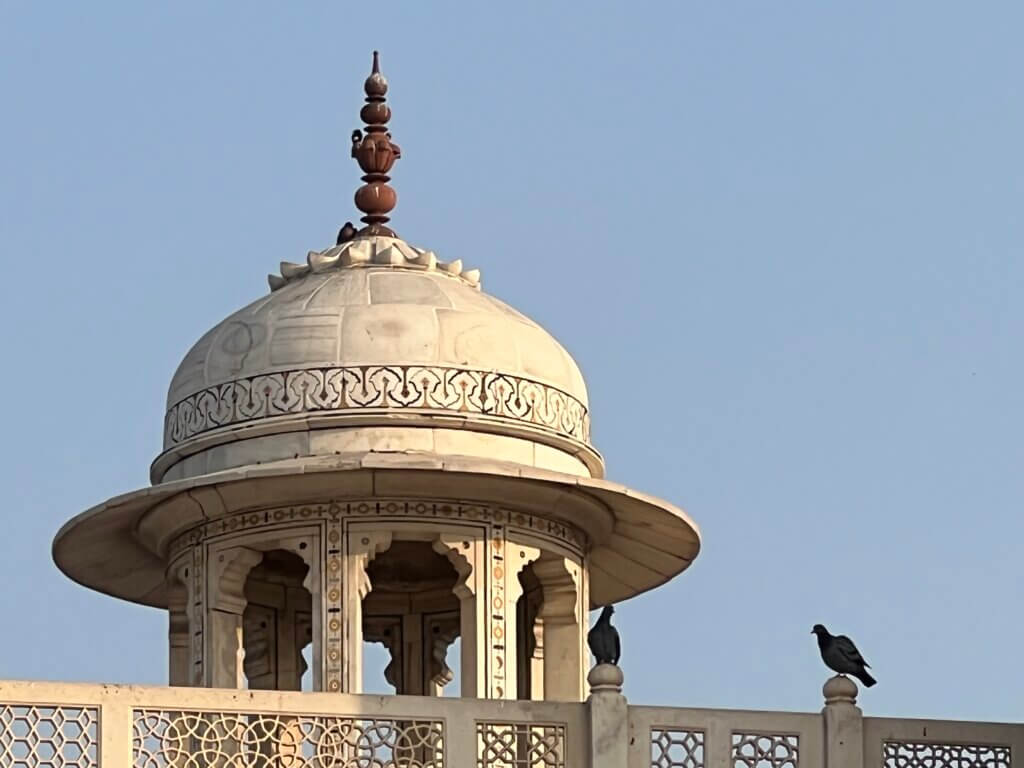
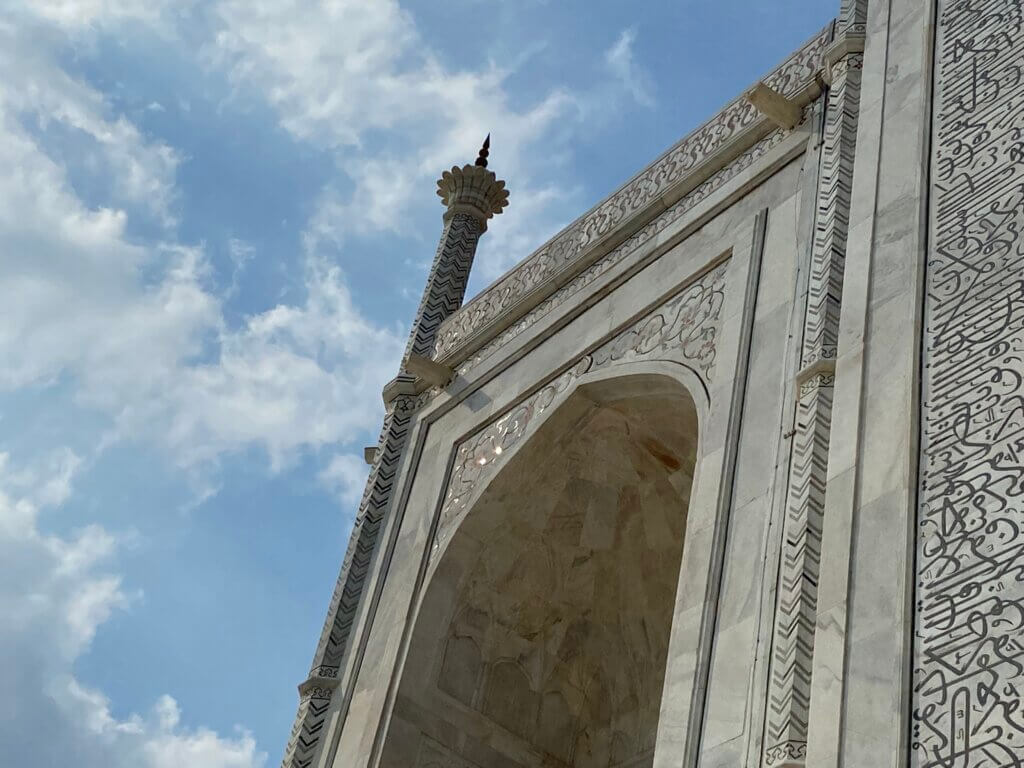
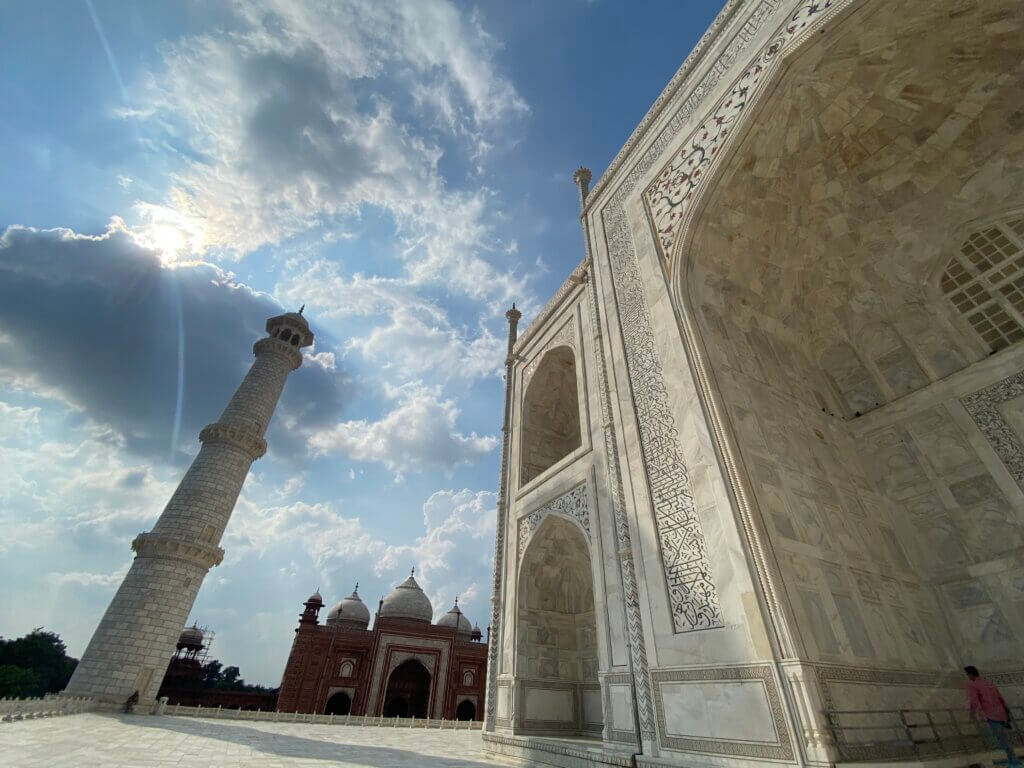
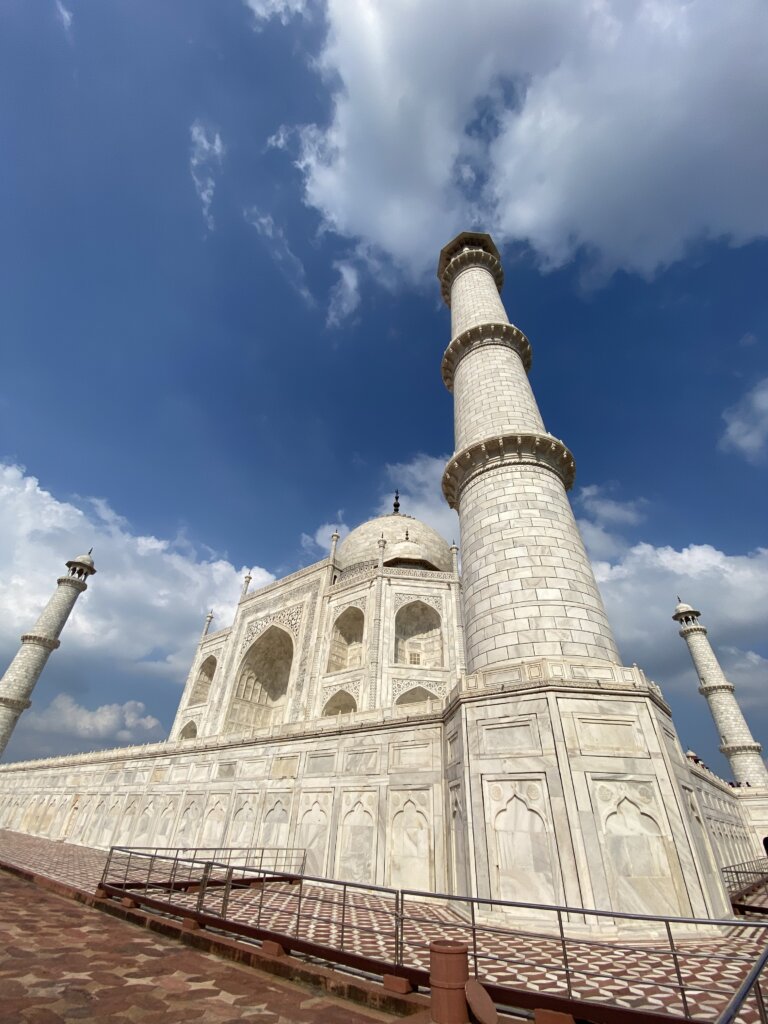
The most iconic attraction of Agra is the Taj Mahal, a UNESCO World Heritage Site and one of the Seven Wonders of the World. Built by Mughal Emperor Shah Jahan in memory of his wife Mumtaz Mahal, the monument attracts tourists because of its white marble beauty, symmetrical design, and emotional story. From a geographical perspective, the Taj Mahal’s location near the Yamuna River was carefully chosen. The river provided water transportation, cooling effects, and support for the monument’s foundation.
Another important site is the Agra Fort, which reflects the military and political importance of the city during the Mughal era. Built mainly from red sandstone, the fort demonstrates how natural resources influenced architecture in medieval India. Nearby attractions such as Fatehpur Sikri and Itmad-ud-Daulah's Tomb further strengthen Agra’s tourism appeal.
Geographically, Agra benefits from its excellent connectivity. The city lies on the fertile Indo-Gangetic Plain and is well connected by road, rail, and air transport. The Yamuna Expressway has reduced travel time between Delhi and Agra, increasing tourist flow significantly. This shows how transportation geography directly influences tourism growth. Hotels, restaurants, markets, and local businesses have developed rapidly around tourist areas, creating employment opportunities for thousands of people.
Tourism also plays an important role in Agra’s economy. Many local residents earn their livelihood through handicrafts, marble inlay work, leather products, guiding services, and hospitality industries. The famous “Petha” sweet of Agra has also become a cultural attraction for visitors. Tourism therefore supports both cultural preservation and economic development.
However, tourism in Agra also faces environmental challenges. Air pollution, overcrowding, and waste generation threaten historical monuments, especially the Taj Mahal. The yellowing of the marble due to pollution has become a major concern for environmentalists and archaeologists. To protect the city’s heritage, authorities have introduced eco-friendly transport zones and pollution control measures.
For geography students, Agra is an ideal case study of sustainable tourism. It demonstrates how physical geography, historical development, urbanisation, transportation, and environmental management interact within a tourism-based economy. The city teaches an important lesson: tourism is not only about visiting places, but also about understanding how humans and environments influence each other over time.
Agra continues to stand as a bridge between India’s glorious past and its modern tourism future, making it one of the most fascinating cities to explore through the lens of geography.

Discover more from The Meridian Society
Subscribe to get the latest posts sent to your email.